
The Mongol Empire
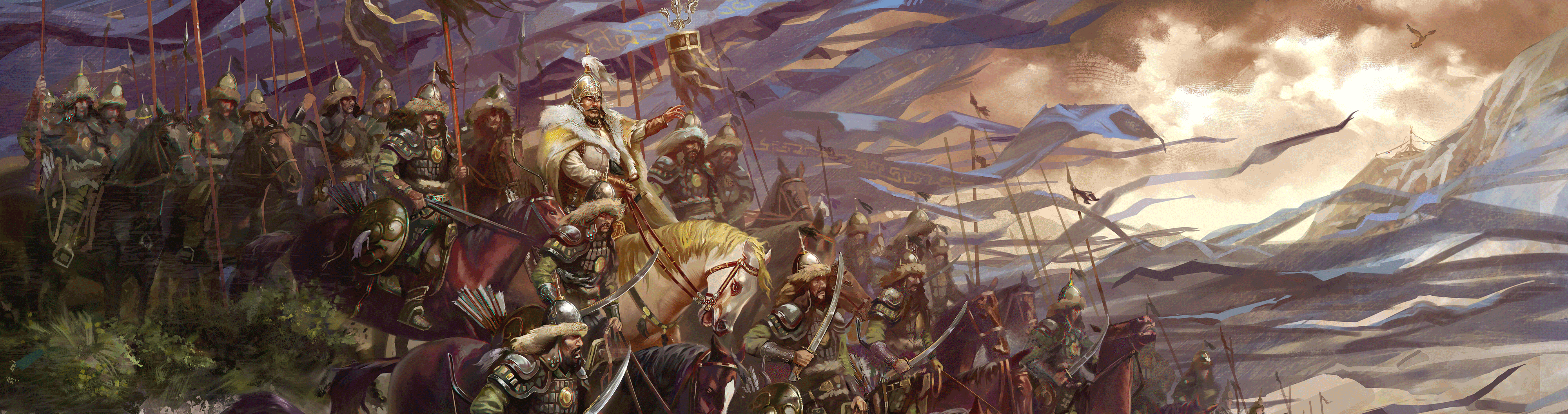
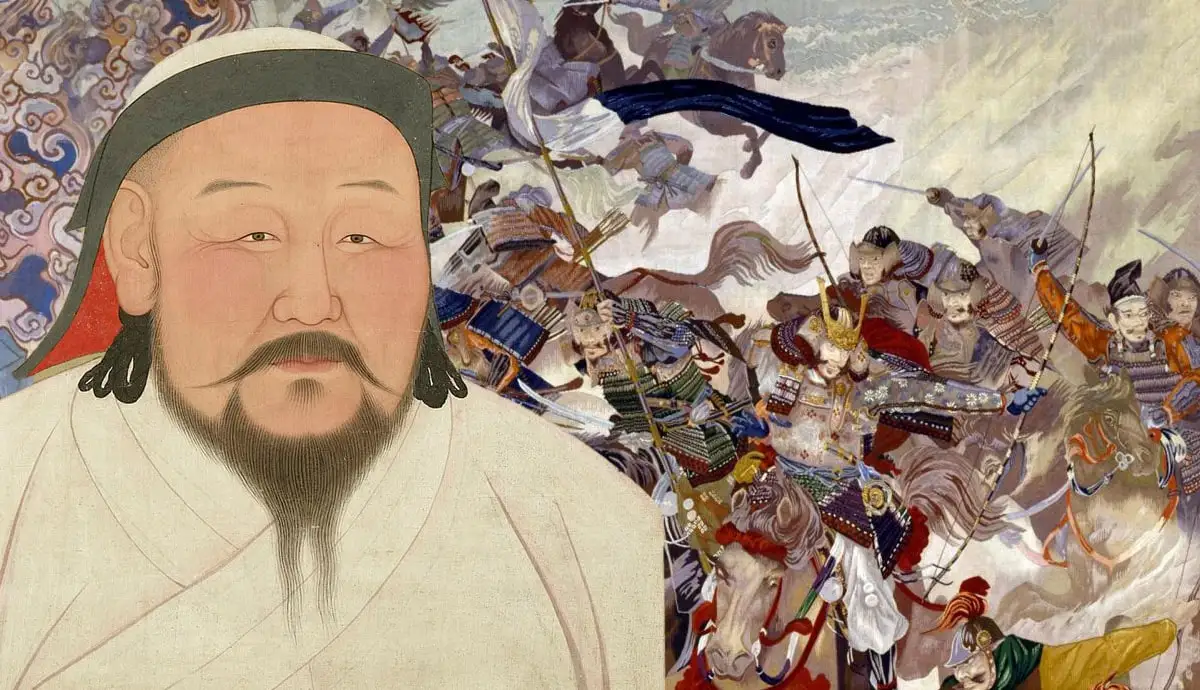
The Mongol Empire, one of history's most formidable empires, emerged from the vast steppes of Central Asia in the early 13th century. Founded by the legendary conqueror Genghis Khan, the empire rapidly expanded to become the largest contiguous land empire in history, stretching from Eastern Europe to the Sea of Japan.
Known for their unparalleled military prowess, the Mongols employed innovative tactics, superior horsemanship, and ruthless efficiency to conquer vast territories and establish dominance over diverse cultures and peoples. Despite their reputation as fierce warriors, the Mongols also facilitated trade, cultural exchange, and technological advancements, leaving a lasting legacy that continues to influence Eurasian history to this day.
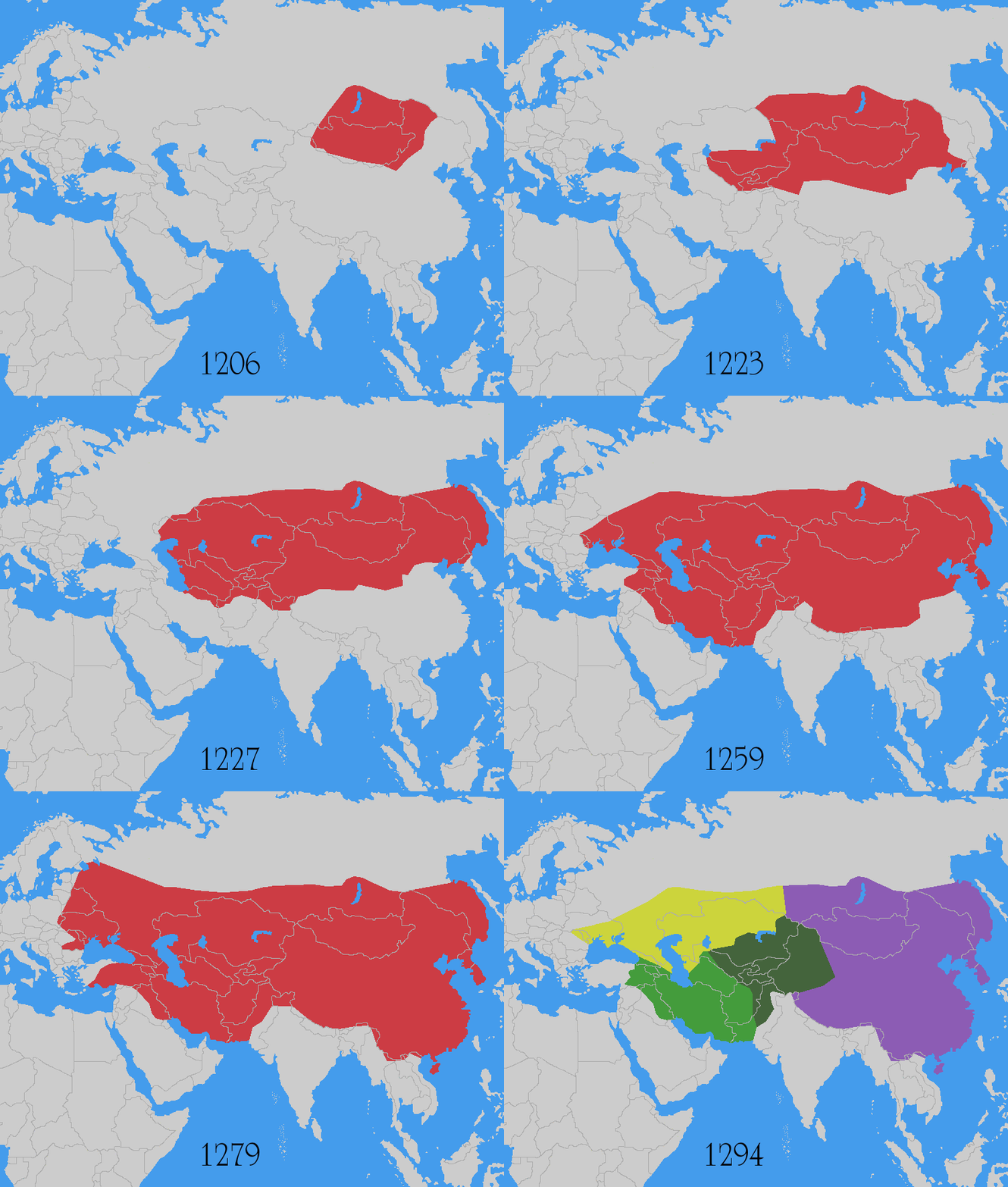
The Mongolian expansion, initiated by Genghis Khan in the early 13th century, was characterized by swift conquests driven by speed, mobility, and coordination. Renowned for their skilled horseback archers and innovative tactics, the Mongols rapidly expanded their empire from China to Eastern Europe by the time of Genghis Khan's death in 1227. Successive rulers, notably Kublai Khan, further extended Mongol control, reaching its peak with the establishment of the Yuan Dynasty in China and invasions into Southeast Asia and Japan. Despite initial successes, challenges including internal divisions, succession disputes, and overextension of resources led to the empire's decline. Resistance from conquered peoples, particularly in China and the Middle East, also contributed to its downfall. Kublai Khan's death in 1294 marked the beginning of the empire's fragmentation into smaller khanates ruled by Genghis Khan's descendants. By the 14th century, the once-mighty Mongol Empire had collapsed, leaving behind a legacy of cultural exchange, trade networks, and political upheaval.
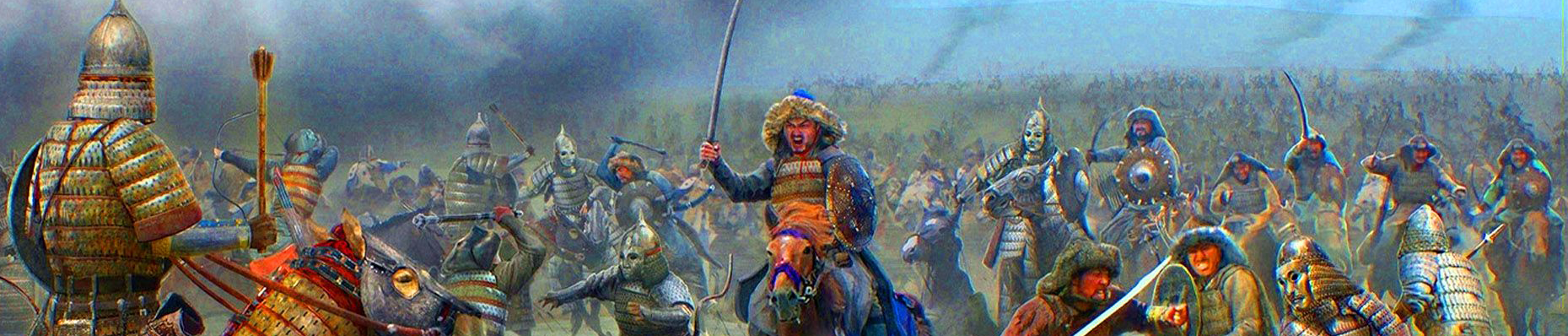
Click on them to learn more.


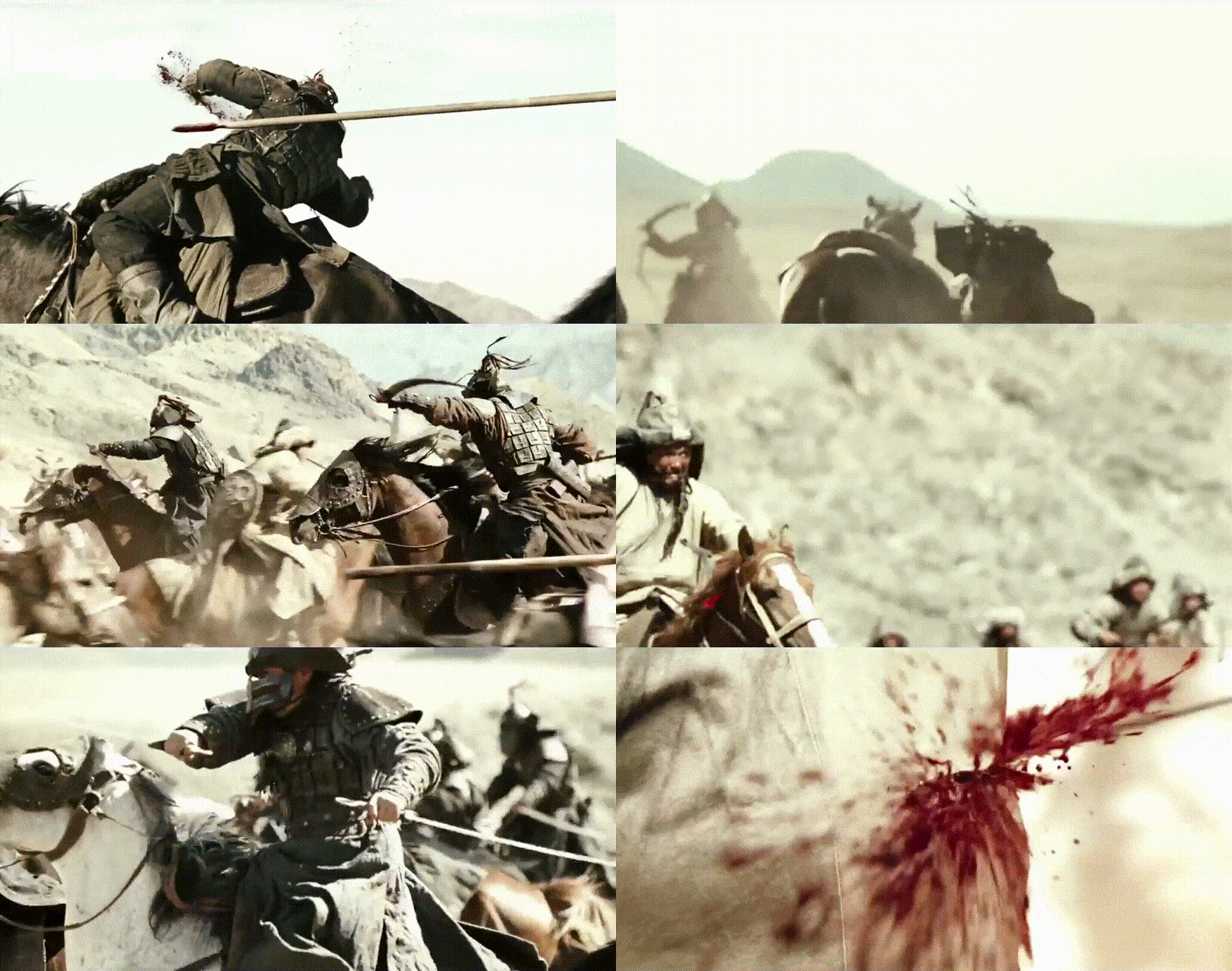
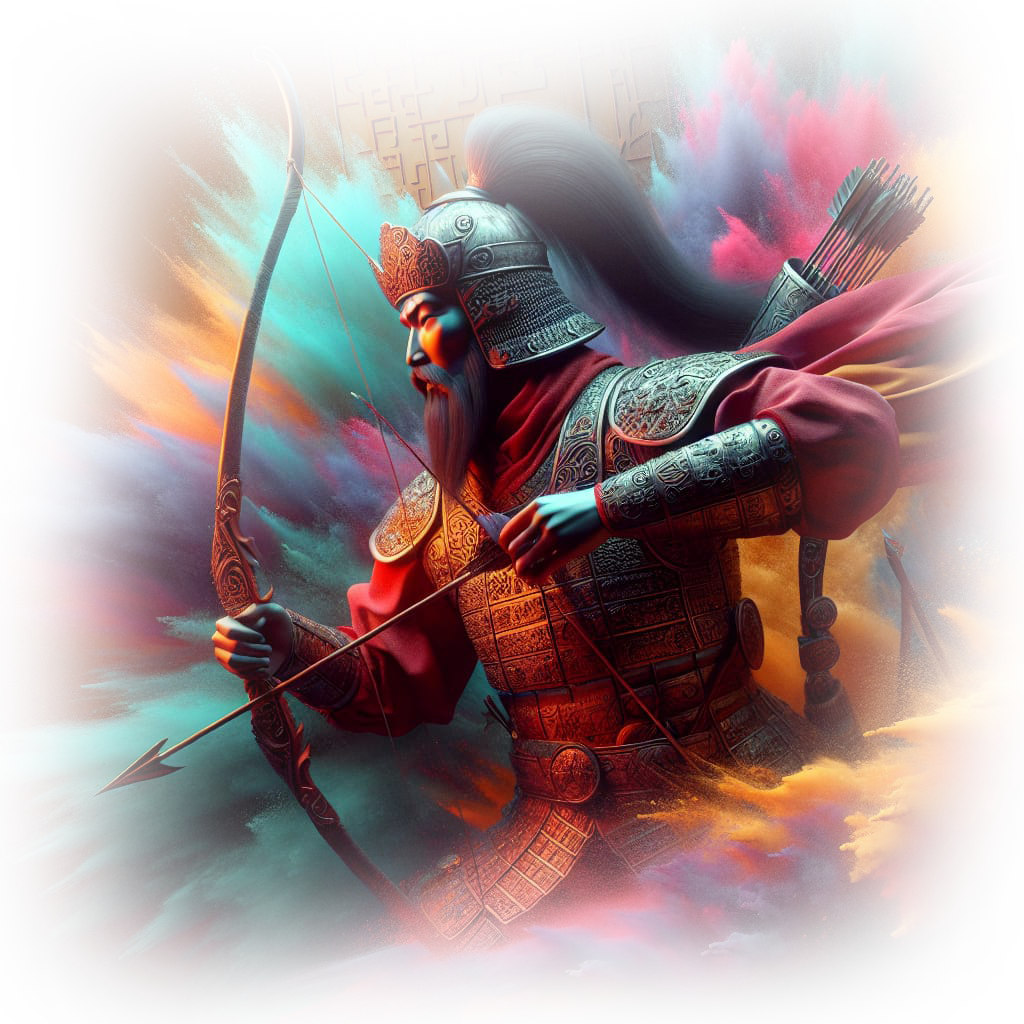
Mongolian archers were renowned for their mastery of the composite bow, a skill honed through rigorous training from a young age. With remarkable accuracy and speed, they unleashed volleys of arrows, contributing to the military conquests of the Mongol Empire and leaving a lasting legacy of their prowess in archery.
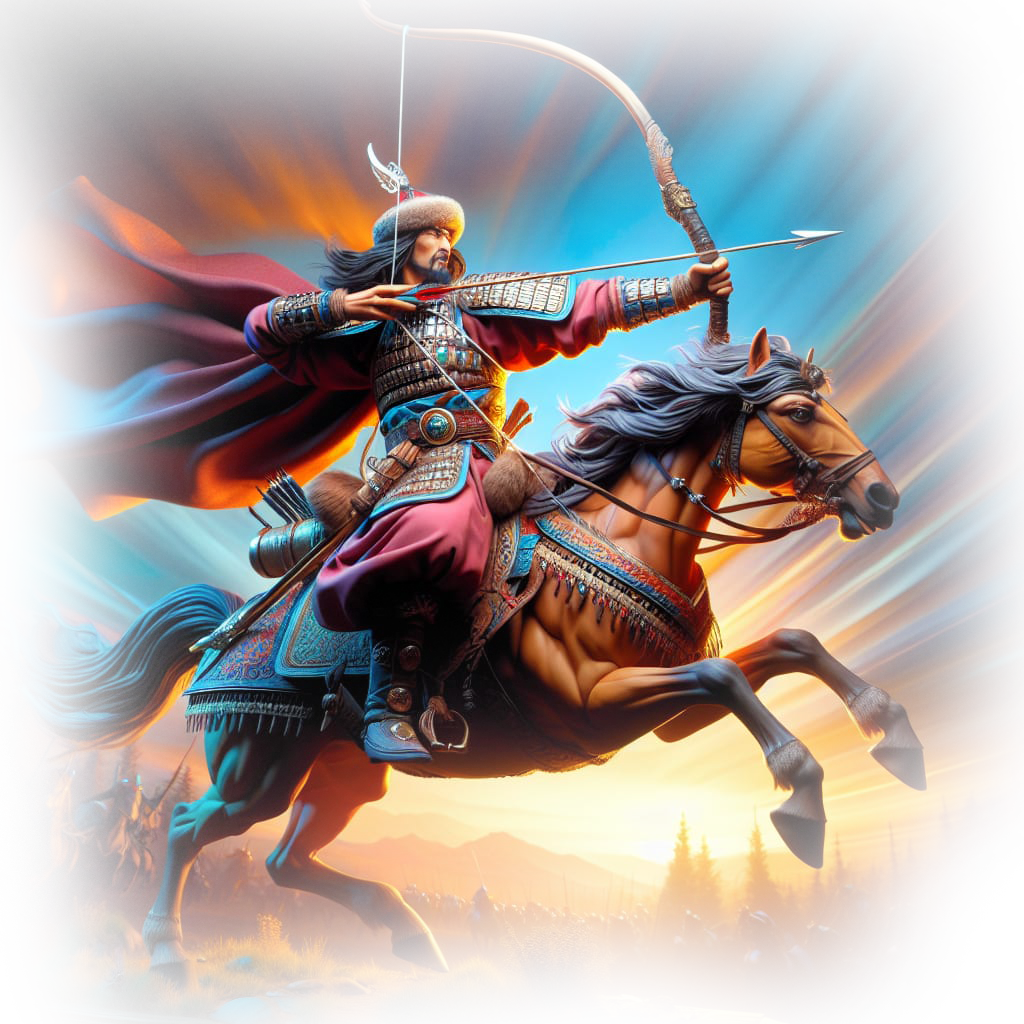
These warriors were skilled horseback riders who excelled in archery while riding. They were highly mobile and could unleash a barrage of arrows on their enemies while maintaining speed and agility on horseback.
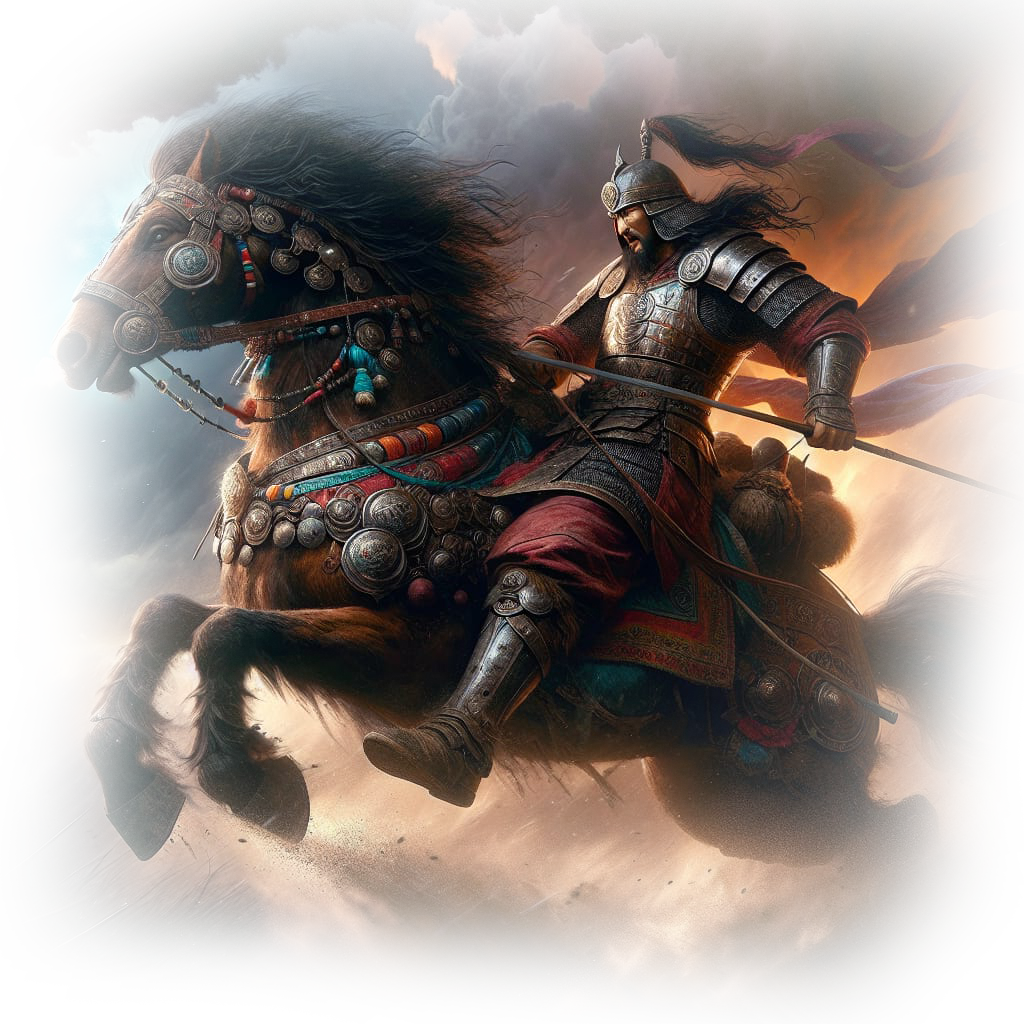
These warriors were equipped with heavier armor and weapons compared to the other two types. They were typically armed with swords, maces, or axes and played a crucial role in close combat situations, breaking through enemy lines or engaging in melee combat when necessary.