The Mongol Empire
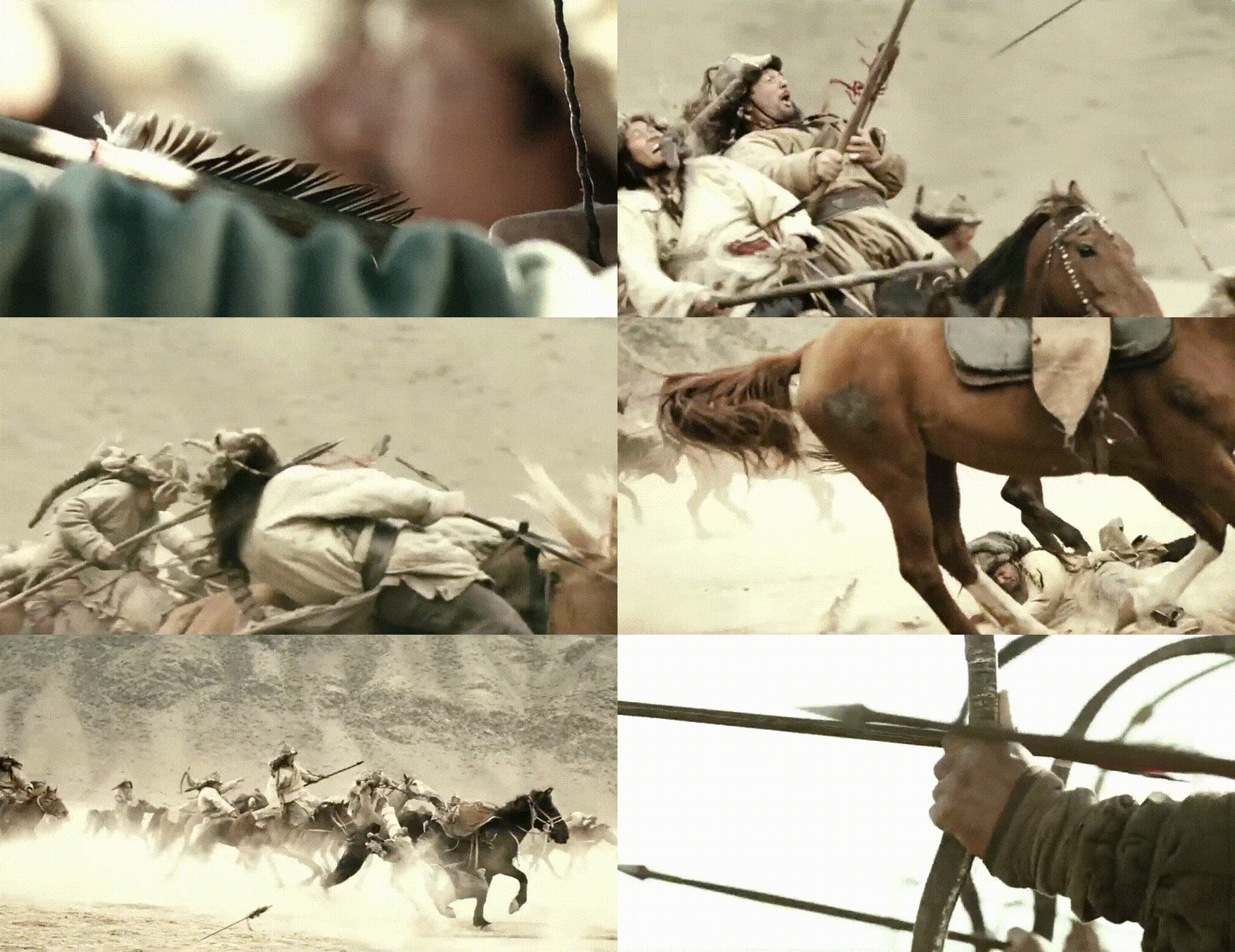
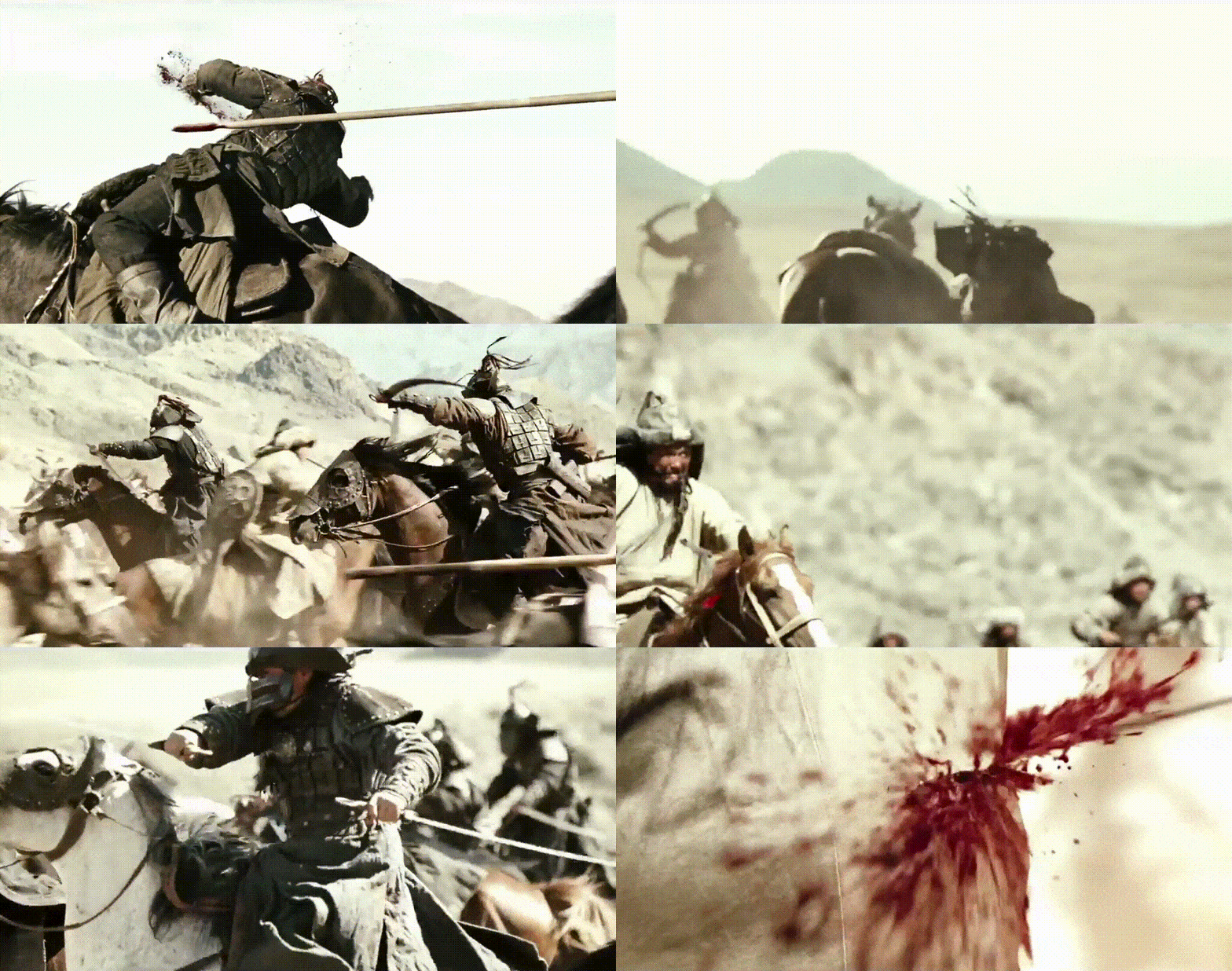
The Mongolian sabre, also known as the "sabre of Mongolia," stands as a symbol of the martial prowess and nomadic heritage of the Mongolian people. This curved sword embodies the agility and versatility essential for mounted combat, which was central to the Mongols' military tactics. Crafted with precision and care, the Mongolian sabre featured a curved blade optimized for slashing attacks from horseback, enabling swift and devastating strikes against adversaries. Its design allowed for fluid movement and quick draw, making it a formidable weapon in the hands of skilled Mongol cavalry. The construction of the Mongolian sabre reflected the ingenuity of Mongolian craftsmen, who perfected the art of blade-making over centuries. Typically forged with high-carbon steel, the sabre's blade was renowned for its exceptional sharpness and durability, capable of delivering lethal blows while enduring the rigors of combat. The curvature of the blade, along with its single cutting edge, enhanced the effectiveness of slashing maneuvers, allowing Mongol warriors to swiftly incapacitate foes in close-quarters engagements. Beyond its practical utility on the battlefield, the Mongolian sabre held deep cultural significance within Mongol society. It was more than a mere weapon; it was a symbol of honor, courage, and identity for the Mongolian warrior class. Passed down through generations, sabres often bore intricate engravings and embellishments, reflecting the pride and heritage of their owners. In ceremonies and rituals, the sabre served as a symbol of authority and prestige, reinforcing the martial tradition that defined Mongolian culture. In essence, the Mongolian sabre not only shaped the course of history on the battlefield but also embodied the spirit and legacy of the Mongolian people.